
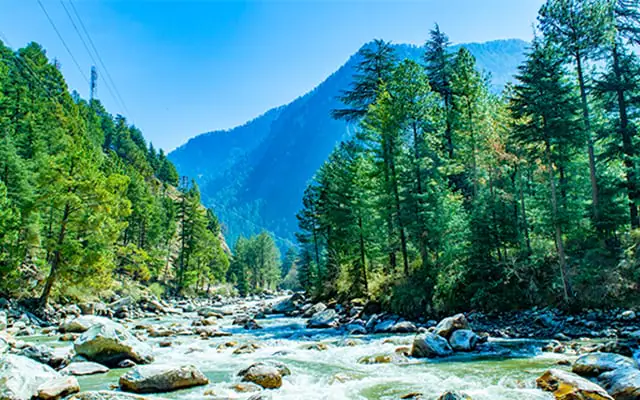
The immense beauty of Alaska comes with an immense responsibility. Travelers who visit this pristine environment have a vital role to play in preserving its glaciers, rainforests, and coastlines for future generations. Embracing eco-friendly travel is not a limitation on the experience; rather, it often deepens the connection with the land, leading to more meaningful and intentional exploration of the mountains, forests, and the unique marine environment. This proactive approach ensures that the spectacular wilderness remains healthy and intact.
Responsible Excursion Choices and Operator Support
The foundation of low impact travel is choosing the right activities and the right operators. Prioritize activities that use human power over motorized transport whenever possible. Kayaking and canoeing along the coastal fjords allow for silent, intimate encounters with marine life without disturbing them with engine noise or wake. Hiking trails, particularly in the vast Tongass National Forest, should be adhered to strictly to protect the delicate flora and fauna, especially the mosses and lichens that grow incredibly slowly in the cool climate. When motorized transport is necessary—for flightseeing over Denali or navigating the vast distance of the Inside Passage—choosing operators who prioritize fuel efficiency, adhere to strict wildlife-distance regulations, and invest in local conservation efforts is crucial. Inquire about a tour operator’s commitment to sustainability before booking.
Waste Reduction and Resource Management
Minimizing waste is another core tenet of responsible tourism. The simplest step is refusing single use plastics, particularly water bottles. Carrying a durable, reusable water bottle and utilizing water refill stations available in most ports significantly reduces the amount of plastic waste that must be managed by these small communities with limited infrastructure. When exploring, practicing the universally accepted ‘leave no trace’ principle is mandatory: pack out everything that is packed in, including all trash and even food scraps. Even organic materials should be removed from the trails to avoid conditioning wildlife to human food sources, which often leads to dangerous encounters for both the animals and people. Supporting local businesses that emphasize sustainable practices, such such as locally sourced food and materials, also contributes positively to the regional economy and reduces the carbon footprint associated with imported goods.
Conservation Focused Sightseeing and Learning
Look for opportunities where your visit directly contributes to conservation. Visiting state parks and national preserves, for example, helps fund their operational and protection efforts through entry fees. Furthermore, many wildlife viewing tours are led by trained naturalists who use the excursion to educate visitors about ongoing environmental challenges, such as glacier retreat, ocean acidification, and habitat preservation. These educational tours turn a simple viewing experience into a profound learning experience, giving the traveler a better understanding of the ecosystem’s fragility. Being informed about the environment makes the traveler a silent advocate for its protection long after they return home. The sheer scale of the wilderness, spanning mountains, forests, and coastlines, is best accessed by an Alaskan cruise, which manages the long transit in a relatively efficient manner compared to fragmented air and land travel, helping to centralize the visitor impact in established ports and limiting the overall environmental strain of movement across the region.
The Mindset of Respect
Ultimately, eco friendly travel in Alaska is about adopting a mindset of deep respect for the environment and the local communities. It involves staying quiet during wildlife observations to minimize disturbance, maintaining mandated distances from all animals, and recognizing the vulnerability of the ecosystem. It is a commitment to ensuring that the breathtaking beauty of the mountains, the quiet depth of the forests, and the dramatic coastlines of this magnificent land are preserved in their pristine condition for every generation to come.
